
April 16, 2026
Lipid nanoparticle technologies have opened the door to a new era in genetic medicine. From mRNA vaccines to emerging gene-based therapies, the ability to safely deliver fragile biological payloads has shifted what is possible across drug development.
Yet for all of that progress, many LNP programs still struggle to move forward efficiently. The science is advancing quickly, but the process surrounding it often is not.
In many cases, the challenge is not a single failure point. It is the lack of coordination across the development pathway.
Where LNP Programs Lose Momentum
Developing an LNP-based therapy requires more than designing a delivery vehicle. It requires alignment between multiple disciplines that are often handled by separate organizations. Lipid chemistry, formulation, analytical characterization, and biological evaluation all need to work together, but they are rarely developed within a shared framework.
As a result, sponsors are left managing a collection of vendors rather than a unified development strategy. Decisions made early in formulation may not be fully informed by downstream biological data. Screening approaches may not reflect the realities of later-stage models. In some cases, promising candidates are advanced without a clear understanding of how they will behave in complex biological systems.
This disconnect can lead to repeated iterations, delays in decision-making, and uncertainty as programs approach IND-enabling studies.
A Different Approach to a Complex Problem
The LNP Alliance was formed to address this exact challenge. Rather than operating independently, its members work within a coordinated structure that connects each stage of LNP development.
This model brings together expertise in lipid design, formulation, characterization, imaging, and biological evaluation into a single, aligned workflow. Each step informs the next, creating a more consistent and efficient process.
For sponsors, this means fewer gaps between disciplines and fewer surprises as programs advance.
It also means that development decisions are supported by a clearer understanding of how each component of the LNP system will perform, both individually and as part of the whole.
Building a Smarter Evaluation Framework
One of the most important advantages of this approach is the ability to apply a structured evaluation strategy from the earliest stages of development.
Instead of relying on isolated screening methods, the Alliance supports a tiered framework that progresses from in vitro systems to in vivo models in a deliberate and efficient way. Early-stage assays can be used to assess immunological response, targeting, and persistence before advancing into more complex studies.
This reduces the number of variables that reach later stages of development and helps sponsors focus their resources on the most promising candidates.
By the time a program reaches advanced models, there is already a stronger foundation of data supporting its design.
The Role of Biology in Driving Better Decisions
While engineering plays a critical role in LNP development, biology ultimately determines success. Understanding how a delivery system interacts with a living system is what defines whether a therapy will translate into the clinic.
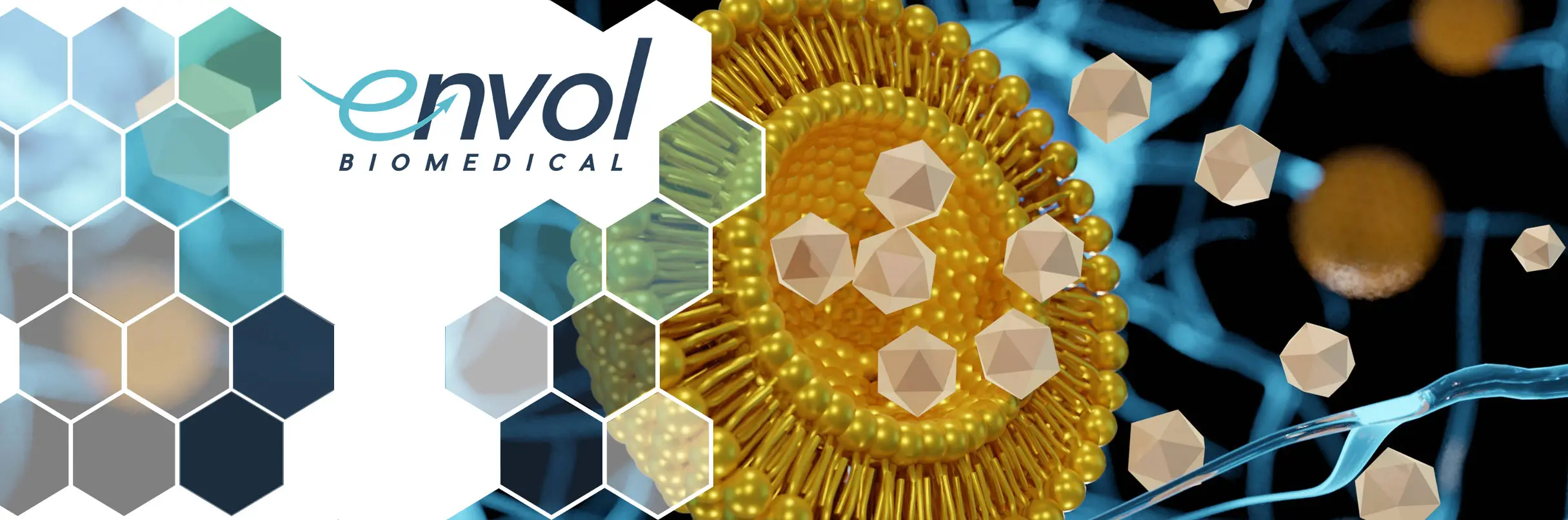
Within the LNP Alliance, Envol Biomedical provides that essential biological perspective.
Through a combination of in vitro systems and non-human primate models, Envol helps sponsors answer the questions that matter most. Does the therapeutic reach the intended target. Does it produce the desired effect. Is it safe across relevant biological systems.
These insights do more than validate results. They inform decisions throughout the development process, helping teams refine their approach before costly or time-consuming steps are taken.
Improving Efficiency Without Compromising Quality
A coordinated development model does not just improve scientific clarity. It also improves efficiency.
When teams are aligned, timelines become more predictable. Redundant work is reduced. Data flows more naturally between stages of development, allowing sponsors to move forward with greater confidence.
This is especially important in LNP programs, where small changes in formulation or delivery strategy can have significant downstream effects. Having a connected framework in place allows those variables to be evaluated more systematically.
The result is a more streamlined path toward IND-enabling studies, supported by a stronger and more cohesive data package.
A Shift Toward Integrated Development
The growing complexity of modern therapeutics is pushing the industry toward more integrated approaches. LNP technologies are a clear example of this shift. They require expertise across multiple domains, and success depends on how well those domains are connected.
The LNP Alliance reflects that reality.
By bringing together organizations that already understand how to work across these boundaries, the Alliance is helping to remove many of the inefficiencies that have slowed LNP development in the past.
For sponsors, the benefit is straightforward. Instead of navigating a fragmented process, they gain access to a coordinated team that is aligned around a shared goal. Moving from design to delivery becomes less about managing complexity and more about executing a clear, informed strategy.